Iron fences
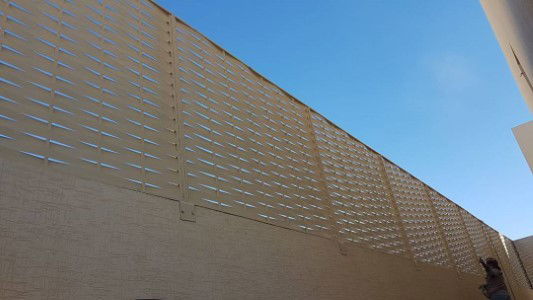
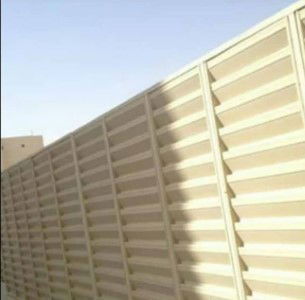
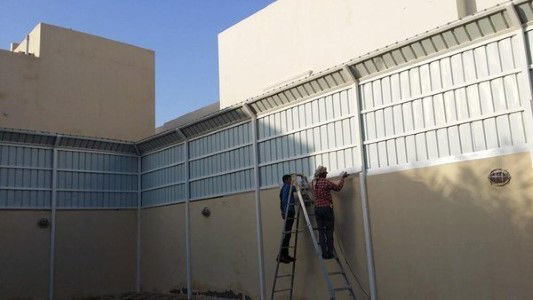
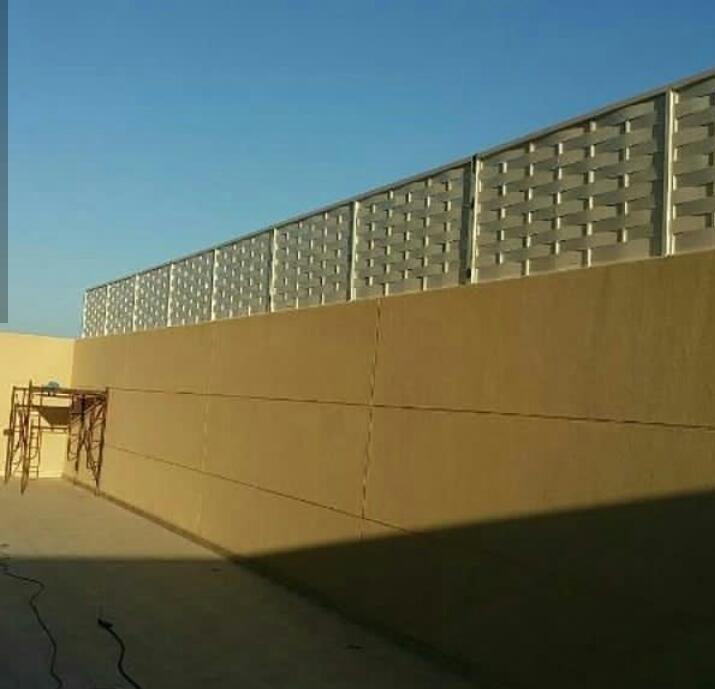
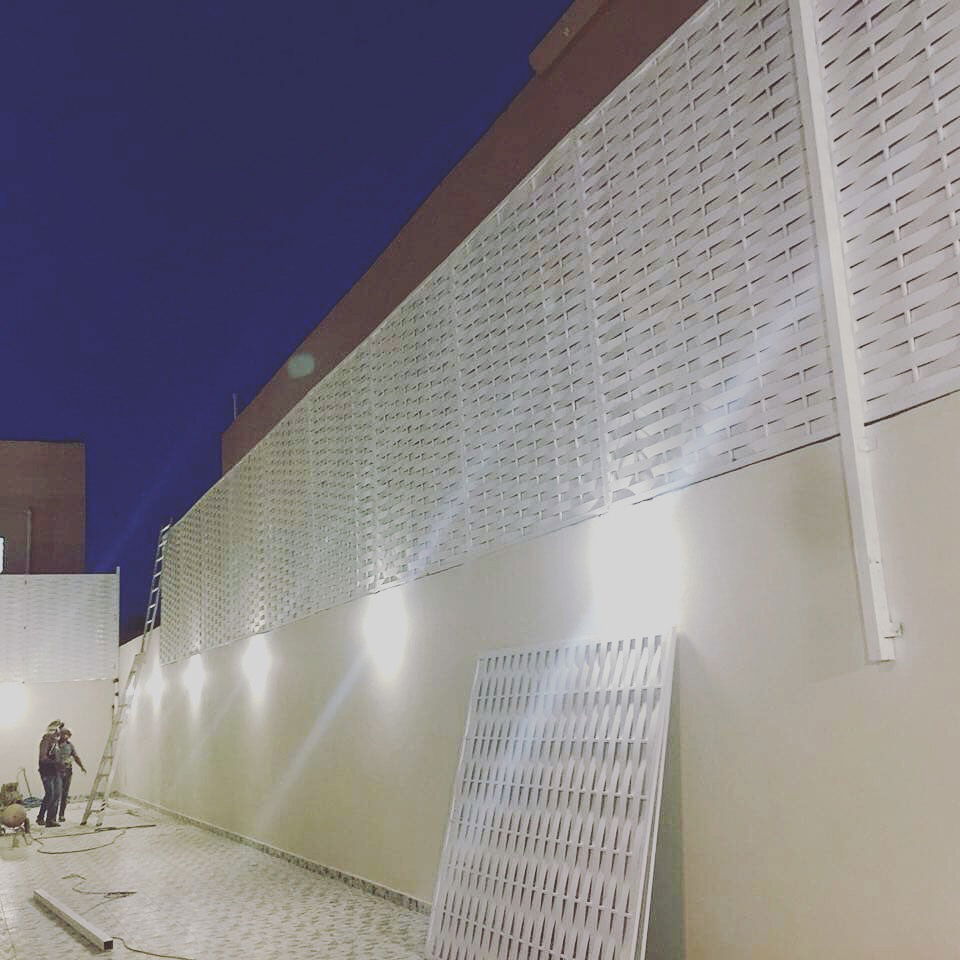
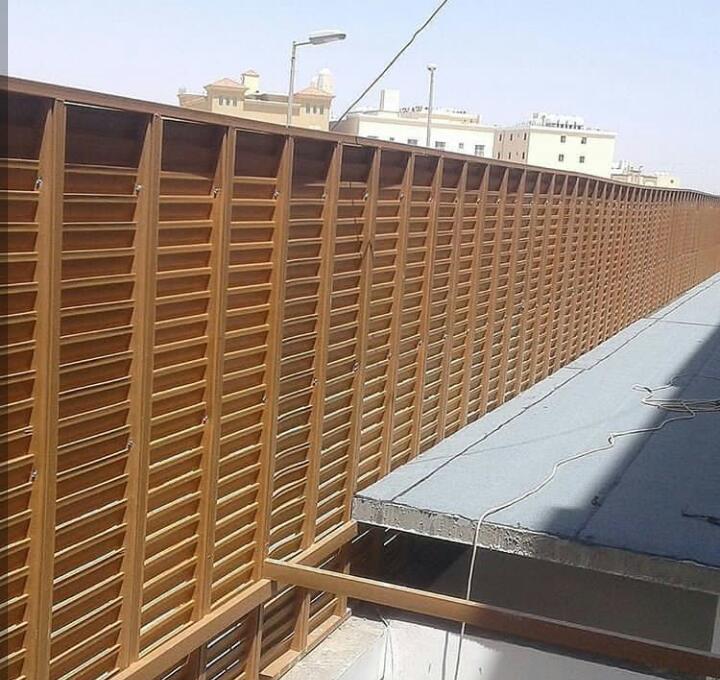
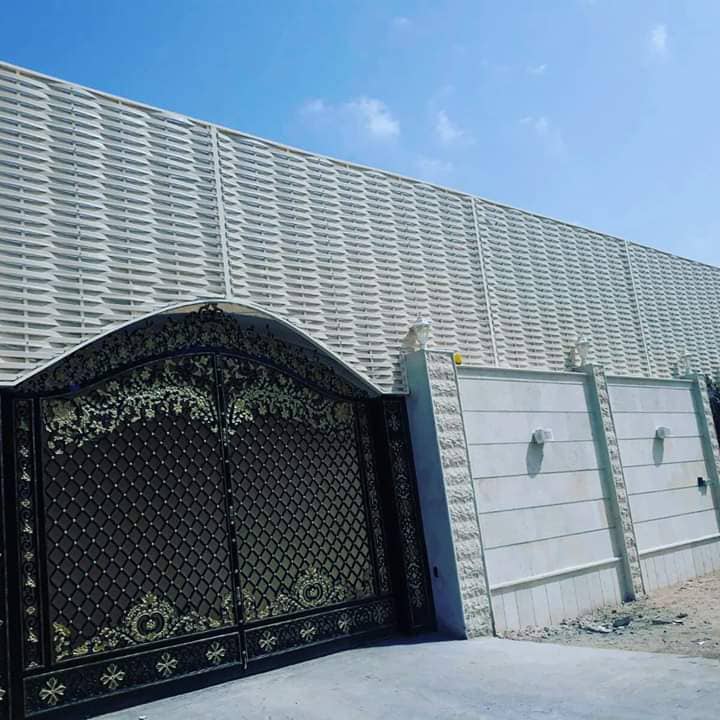
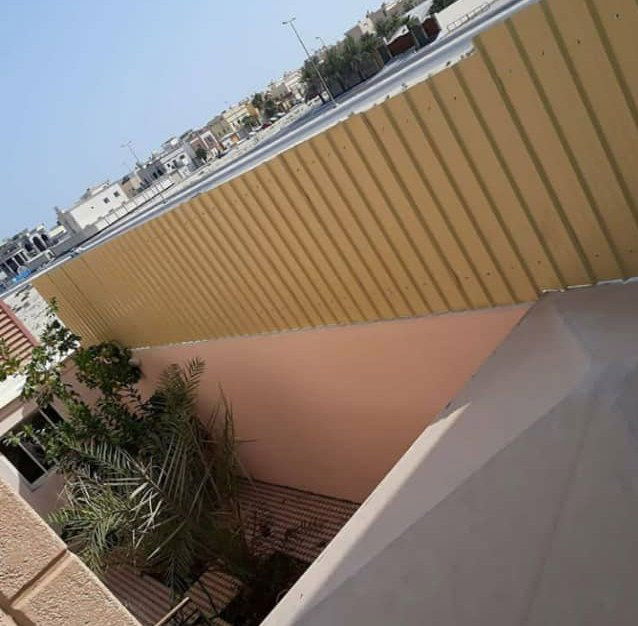
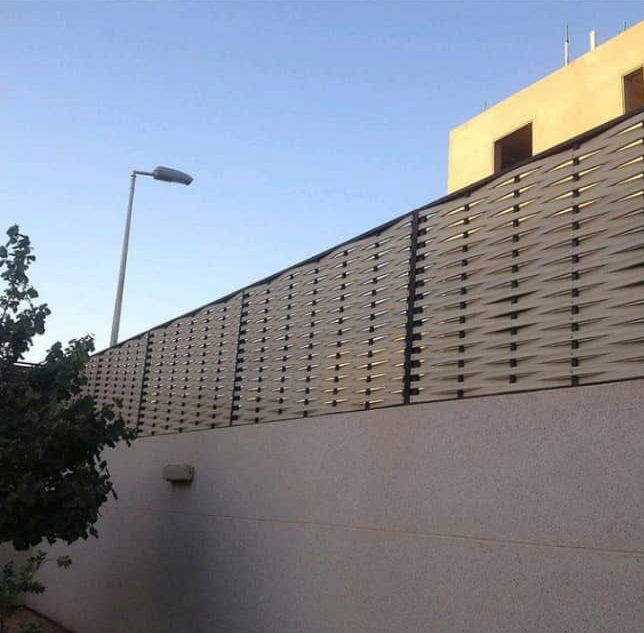
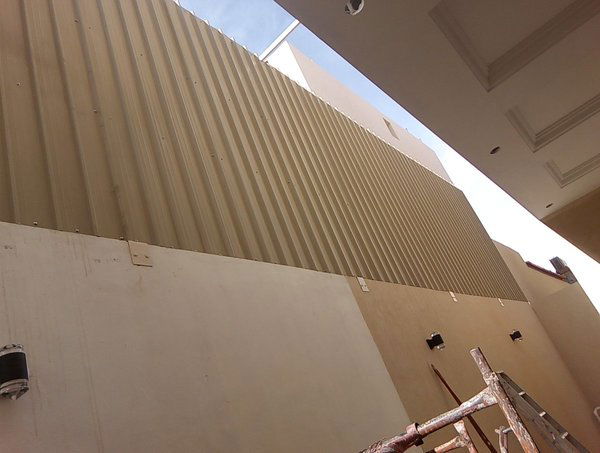
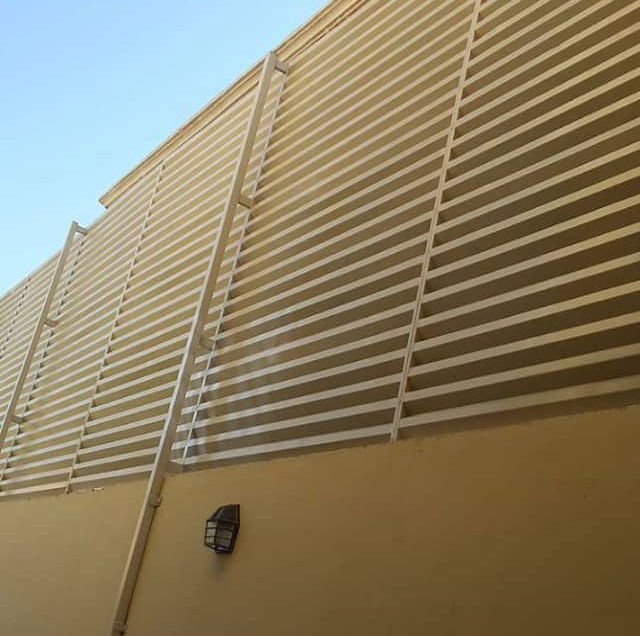
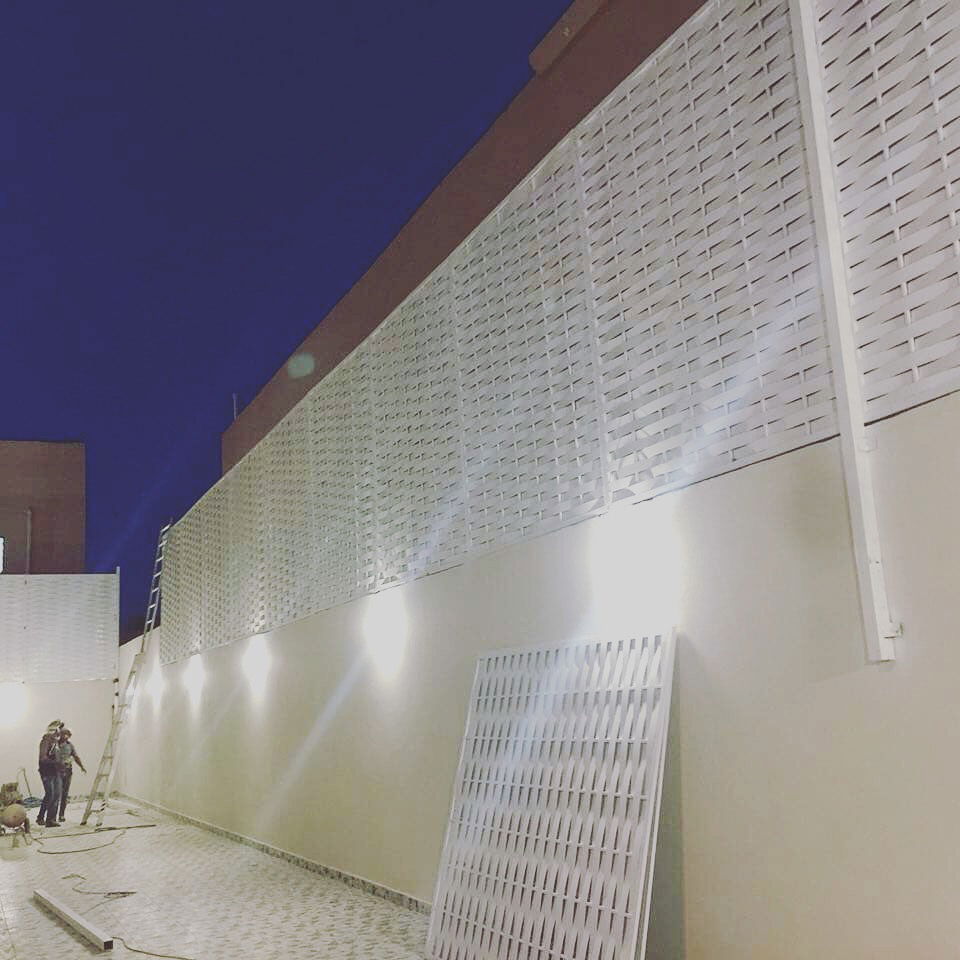
Iron fences (pictures below)
Pavilions: Protective and Elegant Walls. Pavilions are architectural structures used to separate spaces, provide privacy, or protect from the elements. They come in a variety of shapes, types, and uses, and are considered an essential element in the design of gardens, villas, and commercial areas. Types of Pavilions and Their Uses: Pavilions vary depending on the materials used in their construction and their purpose. Among the most important types are: Wooden Pavilions: These are characterized by their natural beauty and are suitable for gardens and villas with a classic style. They can be used in the form of interlocking wooden panels or rounded beams. Iron Pavilions: These are characterized by their strength and durability and are used in commercial and industrial areas. They can be designed in various geometric shapes. Concrete Pavilions: These are characterized by their high strength and resistance to the elements, and are used in areas that require high levels of protection. They can be decorated with various shapes and patterns. Plant Pavilions: Climbing plants or shrubs are used to create natural screens that provide an aesthetic appearance and contribute to improving air quality. Advantages of Using Pavilions: Privacy: Pavilions block views and provide privacy for the space. Protection from the elements: Pavilions protect from wind, dust, and ultraviolet rays. Spatial Division: Privacy screens help divide spaces into different zones. Aesthetics: Privacy screens add an aesthetic touch and enhance the appearance of the space. Safety: Privacy screens provide extra protection for children and pets. Factors to Consider When Choosing Privacy Screens: When choosing privacy screens, several factors should be considered: Location: The location of the screen determines the type of material used and the appropriate design. Budget: Screen prices vary depending on the materials used and their quality. Function: The purpose of the screen determines the type of material and design. Aesthetics: The screen design should complement the surrounding area. Tips for Screen Care: Regular Cleaning: Screens should be cleaned regularly to remove dust and dirt. Regular Maintenance: Screens should be inspected periodically to ensure their integrity and repair any damage. Painting: Wooden and metal screens should be painted periodically to protect them from corrosion. Do you have any other questions about privacy screens? I can help you choose the right screen for your needs or provide more information about specific types of screens.