Hangars and warehouses
08/01/2025
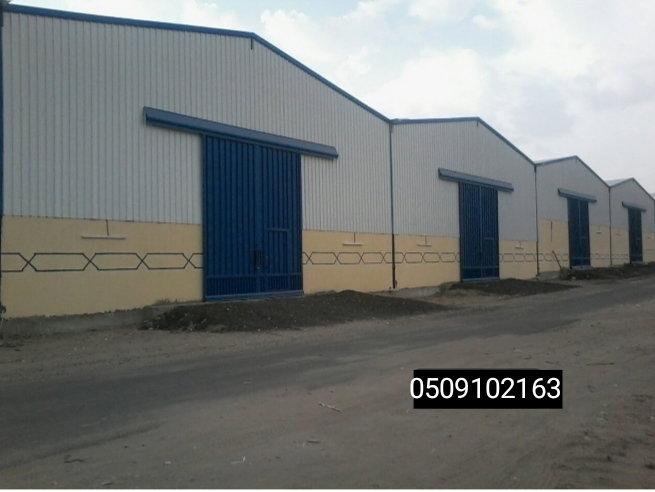
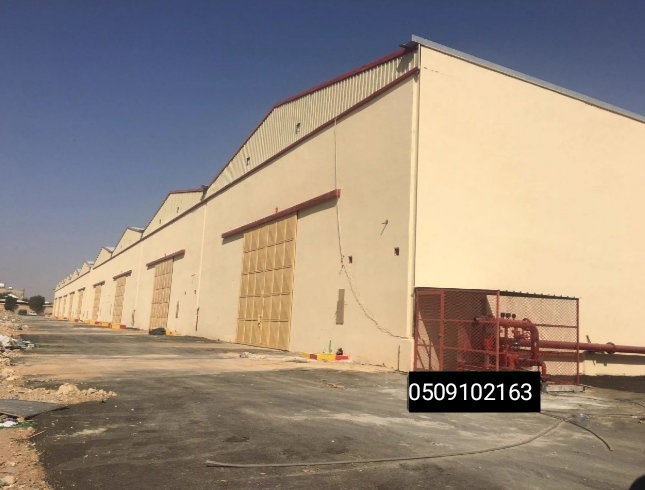
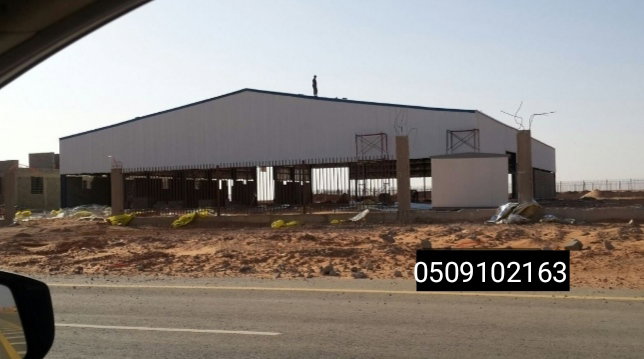
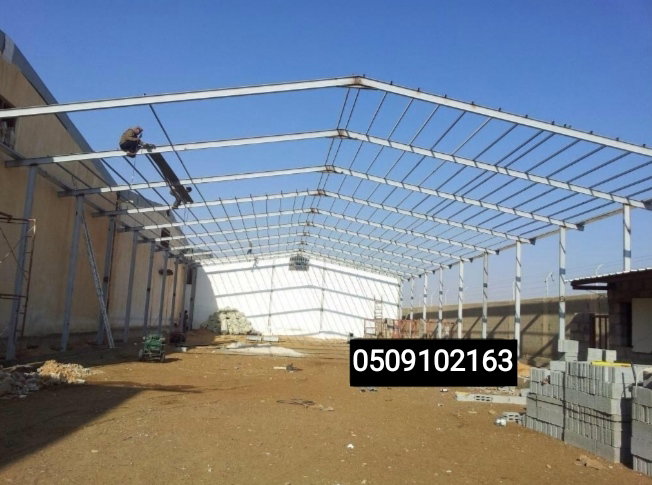
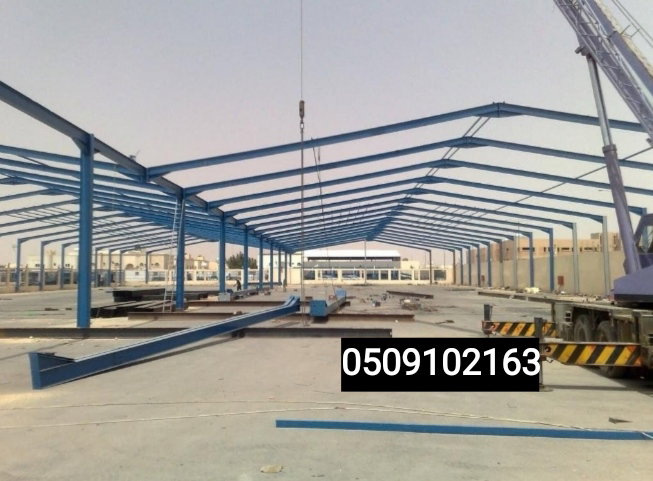
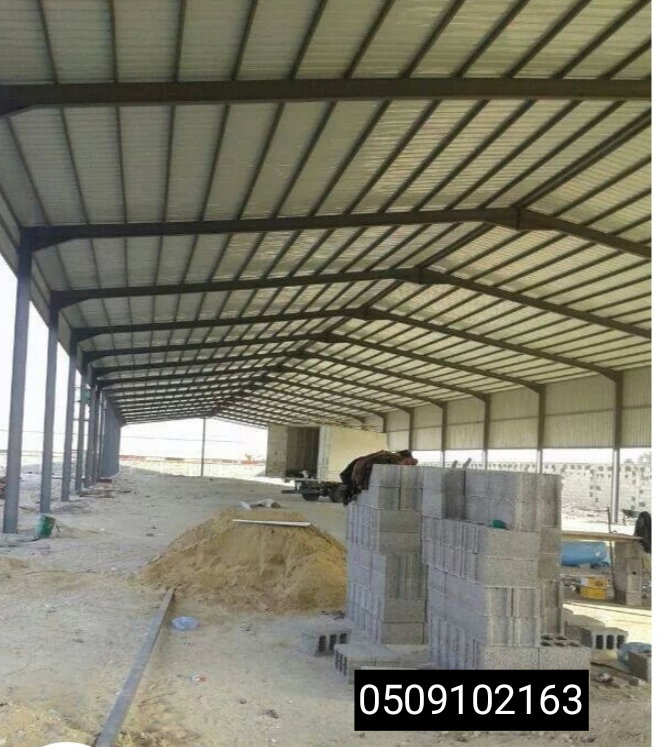
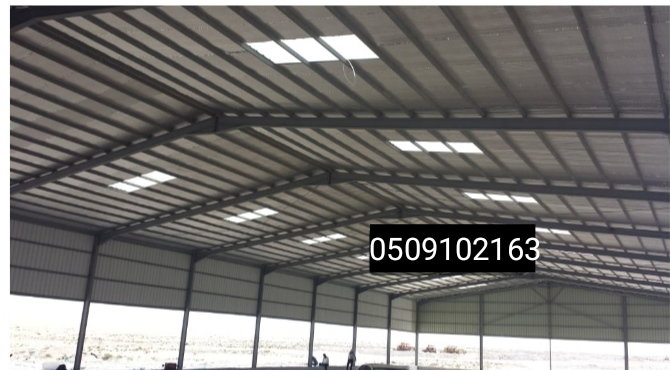
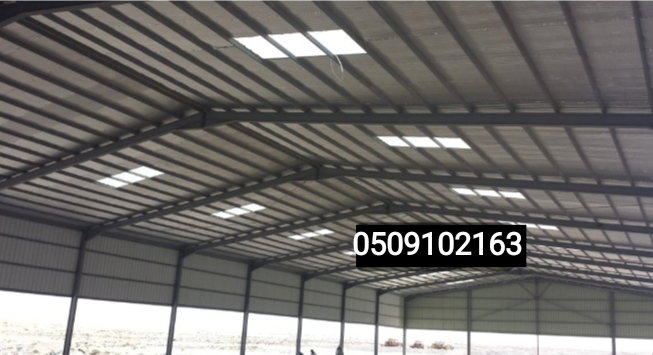
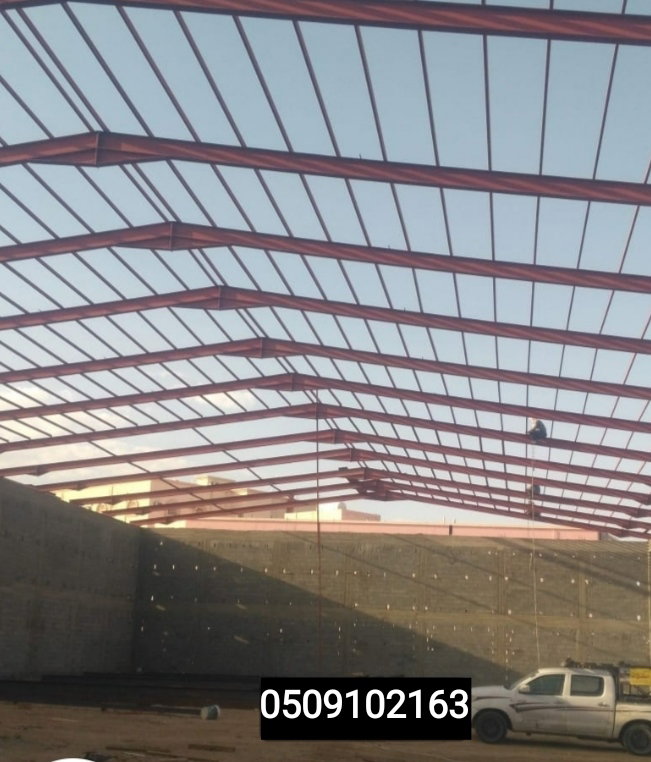
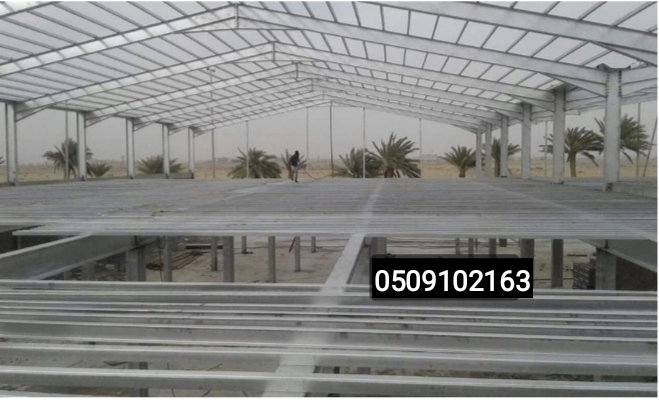
Hangars and call centers (pictures below)
Hangars and warehouses are structures used to store goods, materials, and equipment. They are essential for many industries, commercial activities, and agriculture. Here is comprehensive information about hangars and warehouses: The difference between hangars and warehouses: Although the two terms are often used interchangeably, there are some subtle differences: Hangars: Typically used to store large equipment, aircraft, or vehicles, they feature large openings and wide doors. They are often designed to withstand heavy loads. Warehouses: Generally used to store goods and products, they may be smaller than hangars. Their designs focus on space organization and easy access to inventory. Types of Hangars and Warehouses: Hangars and warehouses vary in terms of the materials used in construction, design, and intended use. The most prominent types are: Metal (iron or steel) hangars and warehouses: These are the most common and are characterized by their durability, strength, ability to withstand harsh weather conditions, and rapid construction. They are often used in heavy industries and industrial and commercial warehousing. Concrete hangars and warehouses: Characterized by their high durability, ability to withstand heavy loads, and fire resistance. They are typically used to store hazardous or valuable materials. Wooden hangars and warehouses: Less commonly used, they are characterized by their aesthetic appearance and relatively low cost. They are suitable for lightweight storage. Fabric hangars and warehouses: Used as temporary or rapid storage solutions, they are easy to install, transport, and cost-effective. Components of hangars and warehouses: Structural frame: Consists of columns, beams, and girders that bear the weight of the structure and roof. Walls: Provide protection from weather elements and define the storage space. Roof: Protects inventory from rain and sun. Floors: Provide a flat, sturdy surface to support the weight of inventory and the movement of equipment. Doors and gates: Allow the entry and exit of goods and equipment. Ventilation and lighting systems: Provide a suitable working environment and maintain inventory quality. Security and safety systems: Protect inventory and the building from theft, fire, and accidents. Uses of hangars and warehouses: Industrial and commercial storage: Storage of raw materials, manufactured products, and imported goods. Agricultural Storage: Storage of crops, fertilizers, and agricultural equipment. Aircraft and Vehicle Maintenance: Providing covered spaces for aircraft and large vehicle maintenance. Workshops and Factories: Providing workspaces for production and manufacturing. Events and Exhibitions: Providing covered spaces for holding temporary events and exhibitions.